
🎤 Best Speakers for Live Events in Kenya: A Complete Buyer’s Guide
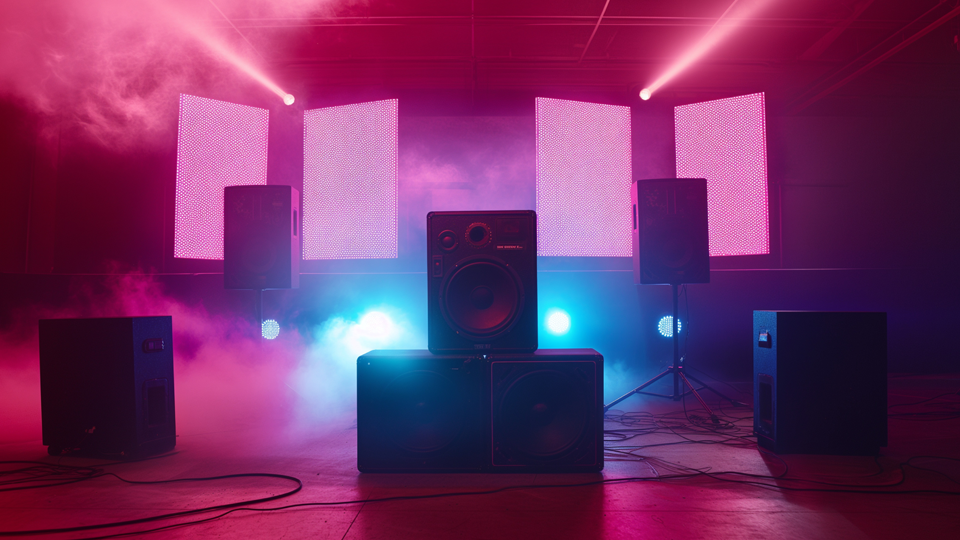
Best Speakers For Live Events In Kenya
When organizing a live event — whether a wedding, concert, corporate presentation, church gathering, or festival — nothing affects audience experience more than sound quality. Choosing the right speakers ensures crystal-clear vocals, rich music, and even sound coverage no matter the crowd size or venue. But with so many options on the market, how do you decide which speakers are truly worth your investment?
In this guide, we’ll explore:
-
Types of speakers for live events
-
How to match speakers to event size and venue
-
Kenya-relevant speaker options
-
Pros and cons of powered vs. passive systems
-
Practical tips for better sound on event day
Let’s dive in and make your next event sound exceptional.
🔊 Why Good Speakers Are Essential for Live Events
Great speakers aren’t just loud — they deliver clear, balanced sound that carries across your audience without distortion. Whether you’re announcing a keynote address, playing live music, or hosting a DJ set, proper audio setups:
-
Enhance audience engagement
-
Ensure every voice and instrument is heard
-
Create immersive event experiences
-
Reduce strain on performers and technical teams
In Kenya’s varied event scene — from Nairobi halls to Mombasa outdoor spaces — you need audio gear that delivers consistent performance in both indoor and outdoor environments.
📌 Types of Speakers for Live Events
🔹 Powered (Active) Speakers
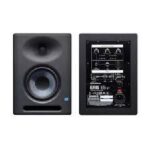
Powered speakers have built-in amplifiers, eliminating the need for separate external amps and simplifying setup. They’re plug-and-play and ideal for most small to medium events.
Why they’re popular:
-
Fast setup
-
Matched amp + speaker performance
-
Built-in DSP (Digital Signal Processing) improves sound quality
📌 Great for small to medium gatherings, DJs, weddings, and corporate events.
🔹 Passive Speakers
Passive speakers require external amplifiers to power them. While they take more planning, they give audio professionals flexibility to match amps to speakers for bigger events.
Advantages:
-
Customizable power options
-
Often more cost-efficient at scale
-
Great flexibility for installations
📌 Best for larger venues or when scaling multiple speaker arrays.
🔹 Subwoofers
Low-frequency drivers are essential for music-heavy events. Subwoofers add bass depth and richness missing from many standard PA tops, transforming music from “heard” to “felt.”
📌 Recommended for concerts, DJs, and music performances.
Look for subwoofers with at least 15-inch or 18-inch drivers for powerful impact.
📏 Matching Speaker Systems to Event Size
Choosing speakers isn’t one-size-fits-all. Match your system to the event size, venue type, and audience expectations.
🧍♂️ Small Events (up to ~100 people)
For intimate events like small weddings, community gatherings, or business talks:
-
2–4 powered speakers
-
Combined ~300–800W output
-
Optional subwoofer for music
Smaller PA packages provide clear sound for up to ~100 attendees. This scale is perfect for personal events or small corporate functions.
🧍♂️🧍♀️ Medium Events (100–300 people)
For mid-sized weddings, live bands, or corporate functions:
-
2 larger powered speakers or 2 passive tops + amp
-
500–1500W coverage
-
Dedicated sub or bass units
Mid-sized setups offer punchy lows, wide dispersion, and reliable clarity for audiences up to a few hundred people.
🧍♂️🧍♀️🧍♂️ Large Events (300+ people)
Concerts, outdoor festivals, and big functions need higher-end setups:
-
Line arrays or multiple PA tops
-
Extensive subwoofer stacks
-
Professional tuning and delays
These systems deliver powerful SPL (sound pressure level) across large distances — crucial for open spaces and big crowds. Large event setups are best handled by professional audio teams.
🔌 Powered vs. Passive: What’s Right for You?
Choosing powered vs. passive speakers depends on how easy you want your setup and how much control you need:
🔹 Powered (Active)
✅ Plug-and-play simplicity
✅ Built-in amps and DSP
✅ Ideal for quick setups
Best if you are a DJ, small event host, or planner who wants fast setup with minimal gear.
🔹 Passive
✅ More flexibility to match power
✅ Custom power scaling
✅ Often better choice for permanent installs
Best if you’re building a PA system for frequent use at larger venues or hire businesses.
💡 Expert Tips for Great Live Event Sound
Here’s how to make sure your speakers perform their best:
🎶 1. Plan Your Coverage
Speaker placement affects clarity more than power. Use stands, stacks, or flown arrays when possible to ensure even sound spread.
🎤 2. Balance Power With Audience Size
Too much power in a small room can cause distortion; too little power in a large space means your audience misses details. Consider audience size first, then choose wattage and speaker count.
🎚️ 3. Use DSP & EQ
Modern speakers with DSP let you adjust EQ and modes (speech vs. music) on the fly, improving clarity and protecting your speakers.
📦 4. Rent Before You Buy
If you’re organizing your first big event, hiring a PA system first helps you understand what works in your venues before investing. Kenya-based rental companies offer everything from small 50-person systems to setups for hundreds of attendees.
🎶 Final Thoughts
Choosing the best speakers for live events comes down to understanding your event’s size, venue, and audio goals. Strong systems deliver punch, clarity, and confidence — turning good events into unforgettable experiences.
For trusted, high-quality speaker systems — whether you’re a DJ, event planner, church, or venue — investing in professional PA speakers, subwoofers, and complete audio solutions is the key to making your next event sound incredible.